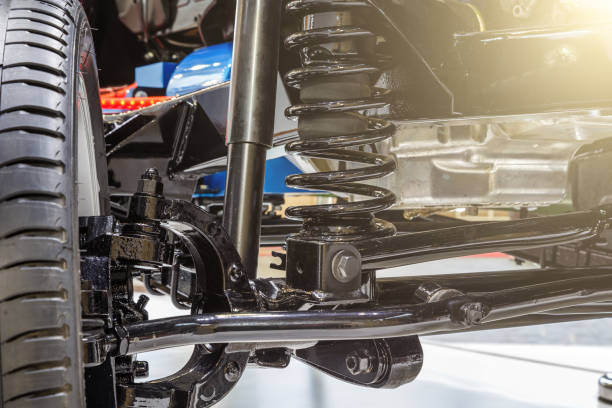
Road surfaces directly influence how a vehicle responds to bumps, potholes, cracks, and uneven sections. Every irregularity sends movement through tyres, wheels, suspension components, and the vehicle chassis.
A smooth road allows suspension parts to work gradually, controlling spring compression and rebound without excessive strain. Poor surfaces create sharper impacts, forcing components to absorb energy repeatedly.
When rough roads become part of everyday driving, suspension performance can gradually decline. Drivers may notice harsher rides, unusual noises, uneven tyre wear, or reduced confidence during cornering.
Understanding this relationship helps vehicle owners recognise problems earlier. Regular inspections, sensible driving speeds, and timely replacement of worn components can reduce damage caused by difficult road conditions.
Smooth roads provide predictable contact between tyres and the driving surface, allowing suspension systems to maintain controlled movement. This helps springs, dampers, and bushes operate within their intended range.
On damaged roads, suspension components must react quickly to sudden changes in wheel position. Frequent compression and rebound can increase mechanical workload, particularly when potholes are encountered repeatedly.
Road texture also affects how much vibration reaches the cabin. Minor imperfections may create continuous movement, while severe defects can produce sudden jolts that occupants immediately feel.
Although modern suspension systems are designed for varied conditions, they cannot eliminate every impact. Consistently poor surfaces therefore increase the importance of maintenance and careful driving habits.
Suspension springs support vehicle weight while allowing wheels to move over changing surfaces. When roads contain repeated bumps, springs compress and extend more frequently, increasing their operating demands.
Constant movement can eventually contribute to spring fatigue, particularly when combined with heavy loads, high speeds, or neglected suspension components. Damaged springs may reduce ride height or balance.
A weakened spring can affect handling because the vehicle may respond differently from one side to another. Drivers might notice excessive body movement, instability, or a less comfortable ride.
Checking springs during routine servicing helps identify corrosion, cracks, sagging, or other visible problems. Replacing damaged springs promptly can protect related components and restore appropriate suspension performance.
Shock absorbers and dampers control spring movement, preventing the vehicle from continuing to bounce after hitting an uneven surface. Their condition strongly influences comfort, stability, braking, and steering response.
Repeated pothole impacts can make dampers work harder because they must control rapid wheel movements. Over time, seals and internal components may deteriorate, reducing their ability to manage motion.
When damping performance falls, a vehicle may bounce excessively or feel unsettled after bumps. Tyres can also lose consistent contact with the road, affecting traction and overall driving confidence.
Drivers should pay attention to fluid leaks, repeated bouncing, uneven tyre wear, or unusual handling. These signs can indicate weakened dampers that deserve professional inspection before problems worsen.
Bushes and mounts connect suspension components while helping isolate vibration and movement from the vehicle body. Rough surfaces can accelerate wear because these parts repeatedly absorb shocks and twisting forces.
Damaged bushes may produce knocking sounds, increased vibration, or vague steering responses. Their condition can influence wheel alignment because worn connections may allow suspension components to move beyond normal positions.
Driving regularly over broken roads increases the number of impact cycles experienced by rubber and polyurethane components. Age, temperature, vehicle weight, and driving style can further influence deterioration.
Replacing worn bushes and mounts helps restore controlled suspension movement. During inspection, technicians can check surrounding components as well, because one damaged part may place additional stress elsewhere.
Road quality can influence wheel alignment because severe potholes and uneven surfaces may disturb suspension geometry. Even a single strong impact can sometimes alter toe, camber, or related settings.
Incorrect alignment can cause the vehicle to pull sideways, steering may feel unusual, and tyres can wear unevenly. These symptoms should not be ignored because they can worsen gradually.
Regular alignment checks are especially useful for drivers who frequently travel on damaged roads. Correct geometry helps tyres meet the surface properly and allows suspension components to perform more predictably.
After a significant pothole strike, checking alignment and suspension condition can be worthwhile. Early attention may prevent a small adjustment issue from becoming expensive tyre or component damage.
Tyres form the first contact between a vehicle and the road, working closely with suspension components to absorb imperfections. Their pressure and condition influence how impacts are transmitted.
Underinflated tyres may flex excessively, while overinflated tyres can transmit sharper impacts through the wheel and suspension. Maintaining recommended pressures supports predictable handling and helps reduce unnecessary stress.
Tyre tread condition also matters on rough surfaces. Adequate tread and healthy sidewalls help maintain grip while allowing the suspension to respond effectively to changes beneath the vehicle.
Drivers should check pressures regularly and inspect tyres for bulges, cracks, cuts, and uneven wear. These simple checks can reveal issues caused by repeated impacts before failure occurs.
Vehicle weight affects how suspension responds to poor road surfaces. Carrying heavy loads increases the force placed on springs, dampers, tyres, and other components during every road impact.
An overloaded vehicle may sit lower and have less suspension travel available. As a result, severe bumps can cause components to reach their limits sooner, creating stronger impacts.
Following the manufacturer's load recommendations helps maintain expected ride and handling characteristics. Drivers should consider passengers, luggage, towing equipment, and cargo when assessing the total vehicle weight.
Heavy use on rough roads deserves additional maintenance attention. Checking suspension components, tyres, brakes, and steering systems more frequently can help identify wear before it affects safety.
Driving technique can reduce the stress caused by damaged roads. Slowing before potholes, avoiding sudden steering inputs, and maintaining sensible following distances can help the suspension manage impacts.
Braking sharply while crossing a pothole can change suspension loading and make the impact harsher. If conditions allow, reducing speed smoothly before reaching damaged sections is generally preferable.
Drivers should remain alert for standing water because it can conceal potholes and other surface defects. Maintaining control and avoiding unnecessary manoeuvres becomes particularly important when visibility is limited.
Careful driving cannot remove road damage, but it can reduce unnecessary force on suspension components. A smoother approach may also improve comfort and lower the risk of sudden damage.
Regular inspections are essential when vehicles frequently encounter poor road surfaces. A technician can assess springs, dampers, bushes, mounts, alignment, tyres, steering components, and wheel condition.
Maintenance intervals may need adjustment depending on mileage, road conditions, vehicle age, and usage. Fleet vehicles and high mileage cars can particularly benefit from more frequent suspension checks.
Keeping records of repairs and recurring symptoms helps identify patterns. If the same component repeatedly fails, technicians can investigate underlying causes instead of simply replacing parts.
Preventive maintenance usually costs less than ignoring warning signs until multiple components become damaged. Early repairs can preserve handling, improve comfort, and reduce the likelihood of unexpected breakdowns.
Modern suspension systems are engineered to balance comfort, handling, durability, and wheel control across many road conditions. However, engineering limits still apply when impacts become frequent or severe.
Adaptive systems can adjust damping characteristics, while advanced designs may respond more effectively to changing surfaces. Even so, electronic controls cannot prevent physical damage from major pothole impacts.
Road quality therefore remains an important factor regardless of suspension sophistication. Expensive technology may improve control, but tyres, springs, dampers, mounts, and alignment still require regular care.
Understanding these limitations encourages realistic maintenance expectations. Good suspension design works best when supported by suitable tyre pressures, reasonable loads, careful driving, and prompt attention to damage.
Poor road surfaces can gradually affect suspension performance, but drivers can reduce the consequences through sensible habits and regular maintenance. Awareness makes it easier to spot problems early.
Paying attention to changes in ride comfort, steering feel, noises, tyre wear, and vehicle stability provides useful clues. Small symptoms can sometimes reveal developing suspension or alignment issues.
Drivers who regularly travel across potholes should treat suspension checks as part of normal vehicle care rather than waiting for a major failure. Prevention protects comfort, handling, and safety.
Ultimately, road surface quality and suspension condition are closely connected. Better roads reduce mechanical stress, while well maintained suspension helps vehicles remain controlled when surfaces are less forgiving.

This post has been authored and published by one of our premium contributors, who are experts in their fields. They bring high-quality, well-researched content that adds significant value to our platform.












Motor Guide provides useful automobile information, including car reviews, vehicle guides, maintenance tips, driving advice, automotive news, and helpful insights for drivers and enthusiasts.