Clean, reliable water is one of the most important parts of a comfortable home. Homeowners use water every day for drinking, cooking, bathing, cleaning, and many other activities. Yet water can contain characteristics or contaminants that are not visible, noticeable by smell, or obvious from taste alone. This makes professional evaluation an important consideration for homeowners who want better information about their property's water.
In Florida, local environmental conditions, plumbing systems, private wells, and changing property conditions can all influence water quality. Understanding water quality and testing can help homeowners make informed decisions about their property and determine when additional evaluation may be worthwhile.
Water conditions can vary significantly between properties. Homes connected to public water systems may have different considerations from properties supplied by private wells. Plumbing materials, age, maintenance, and environmental factors can also influence what is present at a particular tap.
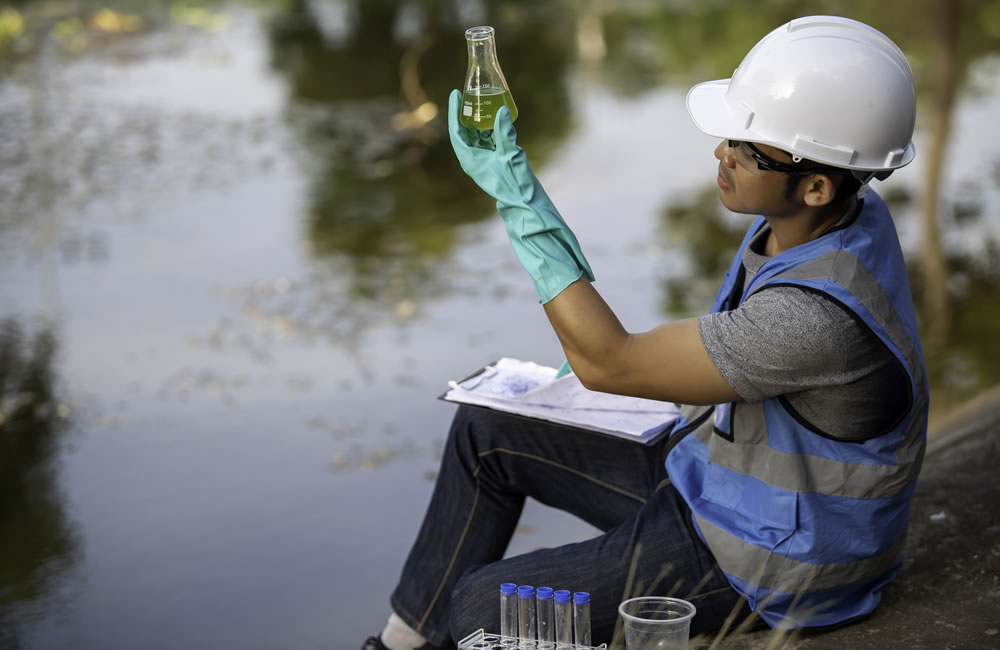
A water sample may look completely clear while still containing substances that require laboratory analysis to identify. Conversely, an unusual taste, odor, or appearance does not automatically indicate a serious problem. Testing provides objective information that can help homeowners understand what is actually present rather than relying solely on visual or sensory observations.
For this reason, water evaluation can be useful during homeownership, real estate transactions, property maintenance, or whenever a homeowner notices a change in their water.
There is no single reason that applies to every property. Homeowners may consider testing when purchasing a home, moving into a property with a private well, after plumbing changes, or when there has been a noticeable change in water characteristics.
Other situations may include:
The appropriate testing approach depends on the property's circumstances. A professional can help determine which types of analysis are relevant rather than recommending an unnecessarily broad testing package.
Many Florida properties rely on private wells rather than municipal water systems. Unlike public systems, private well owners are generally responsible for monitoring and maintaining their own water supply.
Well conditions can change over time because of environmental factors, nearby land use, flooding, equipment problems, or changes around the well. Regular attention can therefore be an important part of responsible property maintenance.
Homeowners with wells should understand local requirements and recommendations for sampling and testing. If results identify an issue, additional guidance from qualified water professionals or appropriate public agencies may be necessary.
The specific substances analyzed depend on the test selected. Different tests may examine different physical, chemical, or microbiological characteristics.
Potential areas of evaluation can include factors such as:
Not every homeowner needs every possible test. The goal should be to match the testing plan with the reason for testing, the water source, and relevant local considerations.
This is one reason water quality and testing should be approached as an information-gathering process rather than a one-size-fits-all service.
A home inspection can reveal many physical conditions, but water evaluation addresses a different area of property information. Buyers who are considering a property with a private well or specific water concerns may want testing as part of their due diligence.
Obtaining results before completing a transaction can provide useful information for discussions with the seller and help buyers understand whether additional investigation is appropriate.
Buyers should also pay attention to the age and condition of water-related equipment, including wells, pumps, filtration systems, water heaters, and visible plumbing. Water test results should be considered alongside the broader condition of the property.
One of the biggest misconceptions about household water is that appearance tells the whole story. Clear water can still require laboratory analysis to identify certain characteristics, while cloudy or discolored water can have several possible explanations.
Likewise, an unusual odor does not automatically identify its source. Plumbing, minerals, environmental conditions, and other factors can influence how water looks or smells.
Professional testing provides a more dependable way to investigate concerns. Instead of guessing based on appearance or taste, homeowners can use test results as a starting point for determining whether further action is necessary.
Receiving a laboratory report is only the beginning. Results should be interpreted according to the applicable standards, recommendations, and intended use of the water.
If a result indicates a potential concern, homeowners may need to consult an appropriate specialist to understand possible causes and solutions. Depending on the situation, the next step could involve inspecting plumbing, evaluating a well, correcting a source issue, improving filtration, or conducting additional testing.
Homeowners should avoid purchasing treatment equipment solely because of a single result without first understanding the underlying issue. The right solution depends on what the testing actually identifies.
Routine property maintenance often focuses on visible components such as roofs, walls, appliances, and landscaping. Water deserves similar attention because it plays such a central role in everyday life.
Understanding water quality and testing gives homeowners an opportunity to replace assumptions with measurable information. Testing can be particularly valuable when there is a specific concern, a private well, a property transaction, or a significant change in water characteristics.
For Florida homeowners, being proactive can make property decisions easier and help identify questions before they become larger concerns. Professional inspection and laboratory testing, when appropriate, can provide useful information that supports smarter home maintenance and informed decision-making.
Ultimately, good homeownership is not about waiting for problems to become obvious. It is about understanding the property, monitoring important systems, and taking reasonable steps to investigate concerns. With water quality and testing, homeowners can gain a clearer picture of an essential part of their property and make decisions based on reliable information rather than guesswork.

This post has been authored and published by one of our premium contributors, who are experts in their fields. They bring high-quality, well-researched content that adds significant value to our platform.










Motor Guide provides useful automobile information, including car reviews, vehicle guides, maintenance tips, driving advice, automotive news, and helpful insights for drivers and enthusiasts.